

By Erin Childs, Independent Restaurant Consultant & Coach, and Host of Uncensored and In Charge
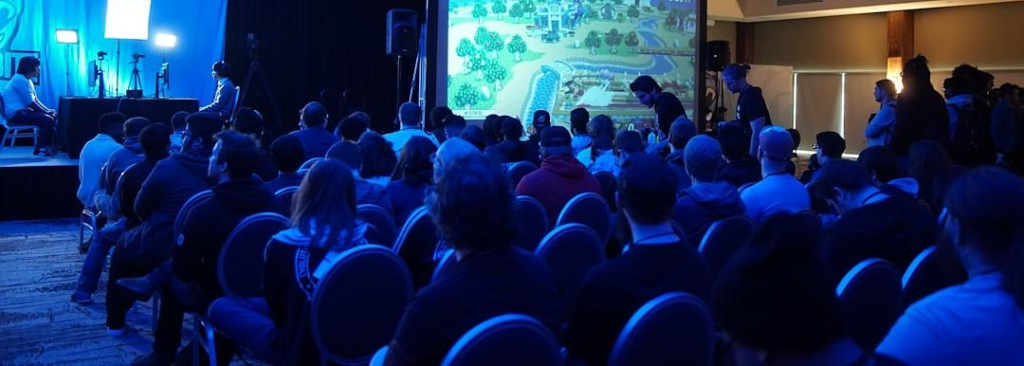
Conference season is one of the most exciting times of the year in the restaurant and hospitality industry. Leaders, operators, consultants, and innovators gather from across the country to exchange ideas, learn from experts, and build relationships that often shape the future of their businesses.
But conferences are also an investment.
They require travel, time away from daily operations, registration costs, and energy from the people attending them. Because of that, the question leaders should always ask is simple:
Are we truly maximizing the value of the conferences we attend?
When approached thoughtfully, conferences can deliver tremendous value. They provide insights into industry trends, opportunities to connect with experts, and the chance to bring fresh thinking back to your organization. But without a plan, conferences can easily become a whirlwind of sessions and conversations that never translate into real action.
The key is approaching conference season with intention.
Why Conferences Matter
At their core, conferences represent an investment in people.
When a company sends team members to an industry event, they are investing in professional development, leadership growth, and industry awareness. These gatherings provide access to experts and thought leaders who are shaping the direction of the industry.
They also offer exposure to new ideas, emerging technology, and innovative strategies that may not yet be visible in day-to-day operations.
For restaurant leaders, conferences can provide valuable insights into topics like:
- Operational improvements
- Off-premises and catering growth strategies
- Technology innovations
- Leadership development
- Changing customer expectations
Beyond the learning opportunities, conferences also provide something equally valuable: connection.
The Power of Networking
One of the greatest advantages of attending conferences is the opportunity to build relationships with others in the industry.
The restaurant world is incredibly collaborative. Many of the best ideas, solutions, and partnerships are born through conversations between peers who are facing similar challenges.
Networking allows professionals to exchange experiences, share lessons learned, and discover new perspectives. A single meaningful conversation can spark ideas that change how a business approaches operations, leadership, or growth.
For many professionals, conferences also open doors to new career opportunities, partnerships, or mentorship relationships.
But effective networking rarely happens by accident.
The most successful conference attendees approach networking with curiosity and intention. They introduce themselves, ask thoughtful questions, and listen closely to the experiences of others.
Relationships built during conferences often become long-term professional connections.
Learning with Purpose
Another critical component of conference success is how attendees approach the learning experience.
Many conferences offer dozens of sessions, panels, and workshops. Without a plan, it is easy to bounce between topics without fully absorbing the insights being shared.
Instead, conference attendees should identify a few key areas of focus before arriving.
Ask yourself:
What challenges is my business currently facing?
What skills do I want to develop?
What trends should I better understand?
With those questions in mind, attendees can prioritize sessions that align with their goals and maximize the value of their time.
Taking notes, asking questions, and engaging with presenters also deepens the learning experience and helps transform ideas into actionable strategies.
Bringing the Value Back Home
Perhaps the most overlooked part of conference attendance is what happens after the event ends.
Too often, professionals return from conferences energized and inspired but fail to translate what they learned into meaningful change within their organizations.
To maximize the value of conferences, attendees should make it a priority to share insights with their teams.
This can be done through:
- Team meetings where key takeaways are discussed
- Presentations summarizing important lessons
- Action plans that outline how new ideas will be implemented
- Identifying opportunities to test new approaches
When insights are shared and applied, conferences become catalysts for innovation and improvement across the organization.
Capturing Innovation
Conferences also expose professionals to fresh ideas and emerging innovations within the industry.
From new restaurant technologies to operational strategies and marketing approaches, these events offer a window into what is shaping the future of the business.
But innovation only matters if it leads to action.
Attendees should identify which ideas have real potential for their organization and explore ways to test them. Even small experiments inspired by conference insights can lead to meaningful improvements.
A Strategic Mindset
Ultimately, maximizing conference season comes down to mindset.
Instead of simply attending events, leaders should approach conferences as strategic opportunities. With a clear plan, thoughtful engagement, and a commitment to sharing what is learned, conferences can become powerful drivers of growth and innovation.
When done well, conferences are not just events.
They are investments in people, ideas, and the future of the organization.
And when leaders and teams approach them intentionally, the return on that investment can be extraordinary.
About the Author
Erin Childs is an Independent Restaurant Consultant & Coach with extensive experience in fast casual operations, corporate catering, and leadership development. Over the course of her career, she has worked closely with restaurant brands to strengthen operations, build high-performing teams, and develop sustainable growth strategies.
Erin is also the host of Uncensored and In Charge on CaterLinked, where she shares candid insights on leadership, culture, and professional development for hospitality professionals. Through her work as a consultant and speaker, she helps operators and leaders navigate the challenges of the restaurant industry while building stronger organizations and more resilient teams.
