

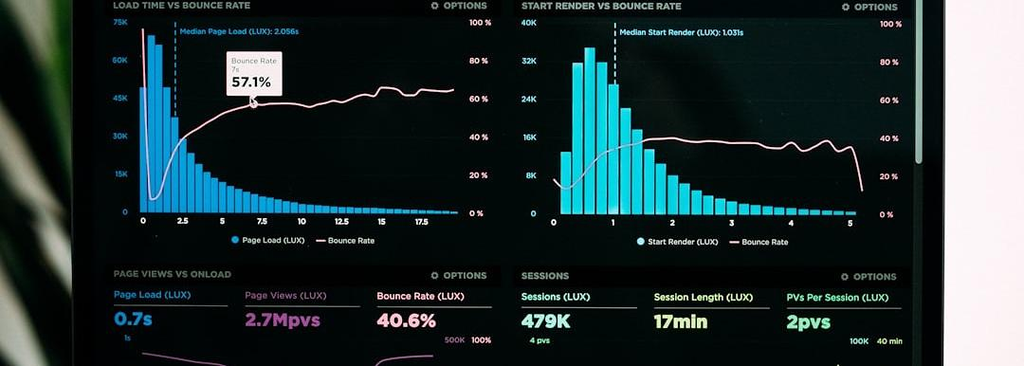
In the world of catering, as with any business, you can’t improve what you don’t measure. Whether you’re catering a small corporate event or a large wedding, your Key Performance Indicators (KPIs) are the pulse of your operation. These aren’t just numbers—they tell the story of your business through data. The real challenge is turning that story into a bestseller.
The What and Why of KPIs in Catering
- KPIs are quantifiable measures reflecting the health and performance of your catering operation.
- They go beyond financial figures, covering the efficiency and effectiveness of your team and service.
- However, not all KPIs are created equal.
- Tracking the wrong metrics or overwhelming your team with too many can be counterproductive.
- Focus on KPIs that matter most to your success.
Here’s a breakdown of three actionable categories of KPIs for catering:
1. Brand-Level KPIs: Your Business at a Glance
These KPIs provide a high-level view of how your business is performing overall. They focus on growth, sustainability, and customer loyalty.
- Revenue Growth:
- Measure how much revenue your catering business generates over time.
- This metric is crucial for long-term planning and strategy.
- Client Retention and Satisfaction:
- Are clients returning for more events?
- Tracking repeat clients and customer satisfaction helps maintain a steady business stream.
- Profit Margins:
- Monitor profit margins across different event types.
- Adjust pricing or service offerings to ensure profitability.
These metrics guide your strategic decisions and keep you aligned with business goals.
2. Team-Level KPIs: Operational Excellence in Catering
These KPIs track staff performance, ensuring consistent, high-quality service. Operational efficiency often depends on these metrics.
- Event Setup and Breakdown Time:
- Measure how long it takes to set up and break down events.
- Streamlining this process reduces labor costs and improves client satisfaction.
- Staff Efficiency:
- Monitor how well your team handles tasks during events.
- Measuring efficiency helps optimize performance across roles, from food prep to logistics.
- Service Speed and Accuracy:
- Timing is critical in catering.
- Track how well your team delivers food on time and to specifications to identify bottlenecks.
These KPIs ensure your team consistently delivers excellent results.
3. Event-Level KPIs: Day-to-Day Catering Performance
Event-level KPIs measure execution at individual events, focusing on the details that drive success.
- Food Cost Percentage:
- Compare your ingredient costs to the prices charged to clients.
- This metric helps maintain profitability without compromising quality.
- Staffing Costs:
- Are you efficiently managing your on-site team?
- Overstaffing leads to unnecessary expenses, while understaffing hurts service quality.
- Guest Satisfaction:
- Gather client feedback and monitor guest reviews.
- This KPI measures how well you meet or exceed expectations at events.
These metrics assess event performance and highlight areas for improvement.
Turning Metrics Into Action
Tracking KPIs is just the beginning. The true value lies in using the data to drive action. Here are five strategies to integrate KPIs into your catering operations:
- Make KPIs Visible
- Use a visual scoreboard to display key metrics.
- Create leaderboards for staff performance (e.g., “Most Efficient Event Setup” or “Best Guest Feedback”).
- Recognizing achievements motivates your team to perform their best.
- Train From Day One
- Introduce new hires to your KPIs during orientation.
- Show them how their role impacts metrics like food cost, service speed, and client satisfaction.
- When employees understand their impact, they become more engaged and accountable.
- Engage Through One-on-One Meetings
- Use KPIs to guide discussions during individual check-ins.
- Celebrate successes and address areas for improvement.
- Keep the tone collaborative to promote growth rather than criticism.
- Focus on Trends, Not Perfection
- KPIs are tools for consistent improvement, not perfection.
- Analyze patterns instead of reacting to one-off poor performances.
- Investigate root causes of issues (e.g., food waste or supplier problems) and make adjustments.
- Keep It Simple
- Avoid overwhelming your team with too many KPIs.
- Focus on the metrics that matter most and ensure clarity in expectations.
- Simplicity leads to better execution and improved results.
Ready to Master Your Metrics?
Mastering KPIs in catering is about more than numbers. It’s about aligning your team around shared goals, empowering them to take ownership, and continuously improving your service. By integrating KPIs into your operations, you pave the way for business growth, better client experiences, and enhanced profitability.
About the Author:
Jason E. Brooks is a hospitality coach, author, and consultant with over 30 years of experience. He has worked with six of the top 100 restaurant brands in the U.S., helping leaders and operators achieve their goals through actionable systems. Jason specializes in transforming catering operations to boost profitability and develop high-performing teams.
Join the CaterLinked community for more insights. Visit www.jasonebrooks.com or connect directly in the CaterLinked community to elevate your catering business.
